Brooklyn Brownstone Living: Architecture, Routine, And Community
July 16, 2026
July 16, 2026
If you picture Brooklyn living and immediately see a stoop, tall windows, and a row of historic facades, you are not alone. Brownstones hold a special place in the borough’s identity, but living in one is about more than curb appeal. It is a daily experience shaped by architecture, maintenance, and the rhythm of the block itself. If you are considering buying, selling, or simply trying to understand brownstone life in Brooklyn, this guide will walk you through what makes it distinct. Let’s dive in.
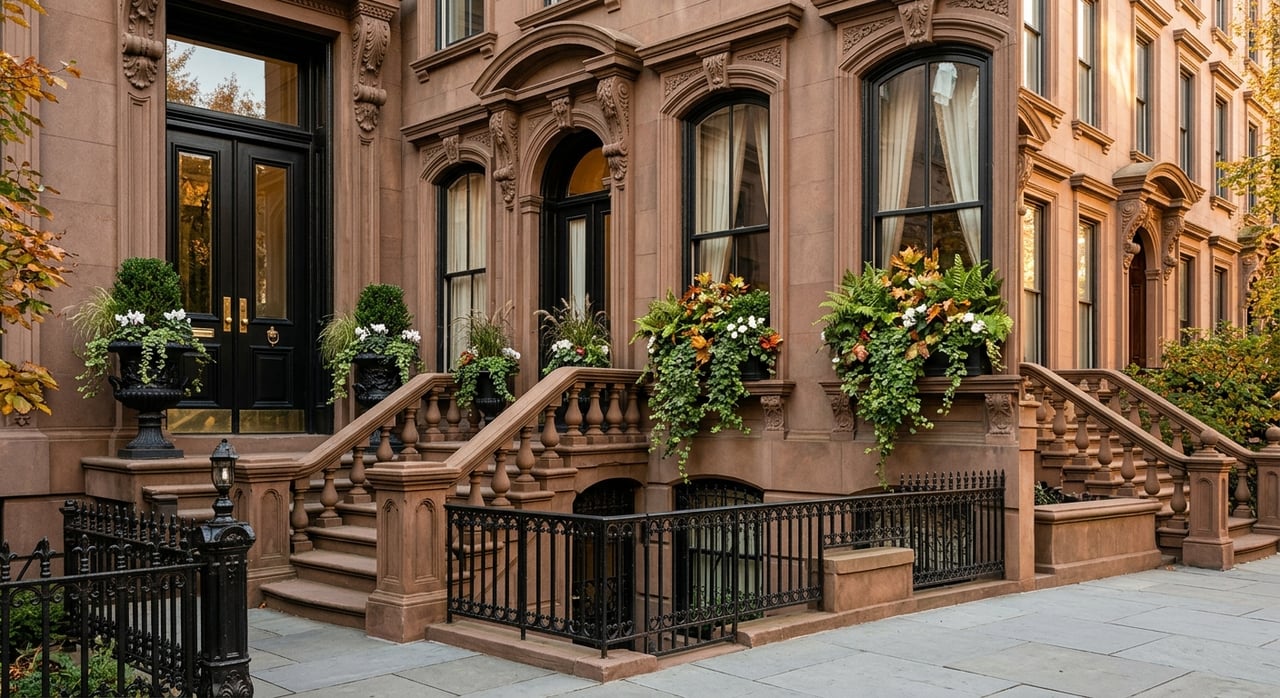
In Brooklyn, “brownstone” can mean more than a home made entirely of brownstone. The term is often used more broadly for 19th- and early-20th-century rowhouses and townhouses, including homes with brick facades and brownstone trim.
That broader definition matters because brownstone living is found across Brooklyn, not just in one well-known pocket. Landmarks Preservation Commission designation materials show this housing type across areas including Park Slope, Bushwick, Bedford-Stuyvesant, Flatbush, and Bay Ridge.
Part of the appeal is the streetscape. Rows of similar homes create a strong visual rhythm, and many blocks are known for their cohesive scale and architectural consistency.
In practical terms, a brownstone often feels connected to the street in a way that newer buildings do not. The home is part of a larger block experience, shaped by stoops, facades, front steps, and the daily flow of neighbors passing by.
One of the biggest differences in a brownstone is how you move through the home. Traditional rowhouses were built vertically, with spaces stacked floor by floor rather than spread across a single level.
That means your routine often revolves around stairs and zoning. One level may serve as public entertaining space, another as private bedrooms, and a lower level as a work area, family room, or flexible-use space.
Classic plans often featured a tall stoop leading to the main entry. The first floor might include a foyer and parlor, while the raised basement below could hold dining or service areas.
Later American Basement layouts shifted the main entry to street level. That change gave the upper floor a stronger role as formal living space and created a clearer separation between arrival, gathering, and private life.
If you are moving from a condo or a single-level apartment, brownstone living can feel very different right away. You may love the privacy and separation of spaces, but you also need to be comfortable with a home that asks you to live vertically.
This layout can work especially well if you want defined zones for work, guests, storage, or multilevel living. It also means the way you furnish and use the home tends to be more intentional, since each floor often has a distinct role.
Brownstone life in Brooklyn is not only about what happens inside your walls. It is also about the character of the block and how that shared streetscape shapes daily life.
Landmarks Preservation Commission materials describe many brownstone districts as cohesive, harmonious, and well preserved. That helps explain why these homes often come with a strong sense of neighborhood identity and why preservation efforts have historically been community-driven.
The design of a brownstone naturally creates interaction with the street. Stoops, front entries, and aligned facades make the block feel active and visually connected.
That design can make everyday life feel more neighborhood-oriented than building-oriented. Instead of entering through a lobby and heading straight to an elevator, you are engaging directly with the street and the rhythm of the row.
Brownstones offer architectural character and privacy, but they also require a more hands-on ownership mindset. Unlike a condo or co-op, where many building systems are shared, a brownstone owner is often responsible for the full structure and its upkeep.
That includes not just interiors, but also exterior conditions, safety, and compliance responsibilities. New York City’s Department of Housing Preservation and Development states that property owners must keep common areas and individual units safe and well maintained and comply with registration and occupancy rules.
The Landmarks Preservation Commission notes that brownstone facades and decorative elements are especially susceptible to deterioration over time. Repair and resurfacing are common realities of ownership.
Standard restoration work can include repointing, brownstone repair, sidewalk work, ironwork, doors, and window replacement. Even if a project seems minor, exterior work on landmarked properties or in historic districts may require review.
Many Brooklyn brownstone blocks are landmarked. If a property is in a historic district or is individually designated, the Landmarks Preservation Commission regulates much of the exterior work.
According to LPC guidance, most exterior changes to front and rear facades require review. Some ordinary maintenance, such as repainting to match the existing color, replacing broken window glass, or caulking around windows and doors, usually does not.
If you are deciding between a brownstone and a newer property, the choice often comes down to tradeoffs. A brownstone usually offers character, privacy, and a more individualized living experience, while condos and newer buildings may offer shared amenities and different maintenance expectations.
Neither option is automatically better. It depends on how you want to live and how much responsibility you want to take on as an owner.
Brownstones can appeal to buyers who value:
By contrast, condo and co-op buyers are often evaluating features such as:
For some buyers, the ease of shared management is a major advantage. For others, the autonomy and individuality of a brownstone outweigh the additional work.
Brooklyn’s brownstones remain popular in part because they have long offered a version of city living that combines privacy and space. Landmarks materials on Park Slope note that row houses historically provided many advantages of single-family homes at lower prices.
That history still matters today. Brownstone neighborhoods now sit alongside newer apartment and condo inventory, yet many buyers continue to seek out the scale, layout, and character that rowhouse living provides.
If you are considering a Brooklyn brownstone, it helps to go beyond the facade and think carefully about fit. A beautiful exterior is only part of the story.
Ask yourself how you want to live day to day, how much maintenance you are prepared to manage, and whether you value historic character enough to take on the responsibilities that often come with it.
Before moving forward, consider:
If you are selling a brownstone, buyers often respond to both emotion and practicality. They may fall in love with the facade, stoop, and scale, but they also want clarity on condition, layout, and maintenance history.
That makes preparation especially important. A well-positioned brownstone listing should help buyers understand not only the home’s beauty, but also how it functions and what ownership entails.
Sellers can benefit from highlighting:
Clear presentation helps buyers connect the lifestyle appeal with the real-world value of the property.
Brownstone living in Brooklyn is distinctive because it blends architecture, routine, and community in a way few housing types can. It is not simply about owning a historic home. It is about living within a vertical layout, caring for a full structure, and becoming part of a block that often feels as memorable as the house itself.
If you are exploring a brownstone purchase, preparing to sell, or weighing it against other Brooklyn property types, a thoughtful strategy can make all the difference. For personalized guidance on Brooklyn townhouses, condos, and the nuances of neighborhood housing stock, connect with Allison Lieberman.
Stay up to date on the latest real estate trends.
Whether you're buying, selling, or exploring your next move, our team offers thoughtful guidance, market expertise, and a personalized approach designed to deliver a seamless and rewarding experience. Contact us today to find out how we can be of assistance to you!