Manhattan Loft Living Guide: Space, Light, and Tradeoffs
July 9, 2026
July 9, 2026
Ever wondered why Manhattan lofts have such a lasting pull? For many buyers and renters, it comes down to a rare mix of scale, light, and character that can feel hard to find in a standard city apartment. If you are curious about what loft living really means in Manhattan, this guide will walk you through the space, the lifestyle, the tradeoffs, and the market realities so you can decide whether it fits the way you want to live. Let’s dive in.
A classic Manhattan loft is usually a former commercial, manufacturing, or warehouse space that was converted into housing. In New York City, the Loft Law created the Interim Multiple Dwelling, or IMD, category for buildings that were used as commercial or manufacturing spaces and did not yet have a residential certificate of occupancy during the legalization process.
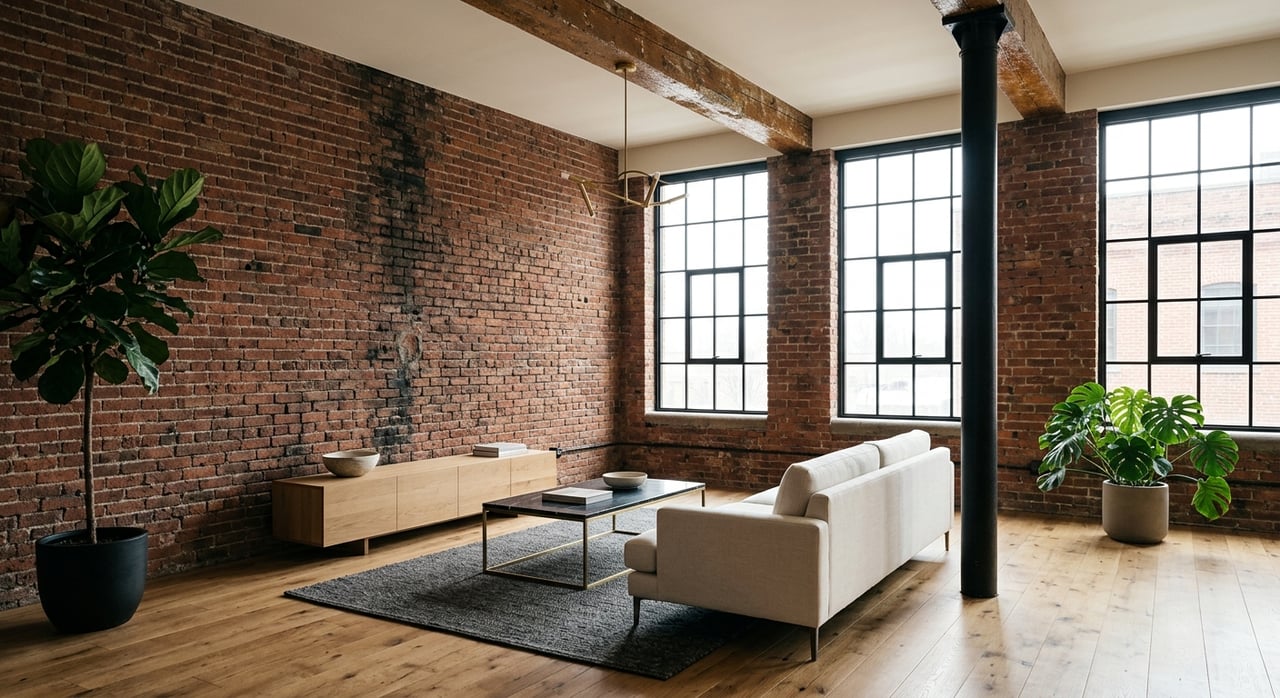
What gives a loft its signature feel is not just square footage. It is the combination of open floor plans, high ceilings, large windows, and visible structural details that create a strong sense of volume and light.
In many cases, you will also see exposed brick, beams, ducts, and other industrial features. These details are a big part of why lofts feel distinctive, especially compared with more conventional condos or co-ops.
You will often hear two terms when people talk about lofts: hard lofts and soft lofts. Hard lofts are the classic version, meaning converted industrial spaces with original character and a more raw architectural feel.
Soft lofts are newer residential buildings designed to echo that style. They often offer the open layout and oversized windows buyers want, but with better insulation, more built-in storage, and more modern amenities.
That difference matters because the choice is often about priorities. If you care most about authenticity and industrial character, a hard loft may appeal more, while a soft loft may offer an easier day-to-day experience.
Loft living is most closely tied to downtown Manhattan, which is generally considered the area south of 14th Street. This broader area includes neighborhoods like SoHo, Tribeca, Chinatown, the Financial District, and the West and East Villages.
Still, not every downtown neighborhood offers the same loft experience. The building stock, street feel, and pricing can vary a lot from one area to the next.
SoHo is one of the clearest examples of Manhattan’s loft history. Much of its building stock comes from former textile factories, and many of its open floor-plan homes reflect that industrial past.
Living in SoHo often means being surrounded by architecture that helped define the classic loft look. At the same time, it is known for a vibrant atmosphere and heavy visitor traffic, which can shape your daily experience as much as the apartment itself.
Tribeca shares a similar warehouse-to-residential story, but the neighborhood feel is different. Many of its older buildings have been renovated into large, light-filled lofts that now sit at the top end of the Manhattan market.
If you are drawn to space and privacy within a highly polished downtown setting, Tribeca often enters the conversation. It is one of the most established loft markets in the city, and pricing reflects that.
West Chelsea offers another take on loft living. The area has been shaped by galleries, the High Line, and ongoing luxury development, giving it a mix of industrial roots and newer residential product.
Nolita tends to feel smaller in scale and a bit quieter. Its housing mix includes prewar buildings, renovated tenements, and lofts, which can appeal if you want downtown access with a different street rhythm than SoHo or Tribeca.
The biggest draw of loft living is often how the space feels. Open layouts can make a home feel airy and flexible, and they can be especially useful if you like to entertain, work from home, or arrange your home in a more personalized way.
Instead of smaller, clearly separated rooms, you get a space that can often do several jobs at once. Rugs, furniture placement, shelving, and lighting often play a big role in defining zones for dining, working, or relaxing.
For many people, lofts offer a sense of freedom that traditional apartment layouts do not. High ceilings and large windows can make the home feel brighter and bigger, even before you factor in the actual square footage.
That openness can also make a loft more adaptable over time. If your routine changes, you may have more flexibility to rework the layout without needing structural changes.
Loft living is not all upside. Hard lofts can be drafty, more expensive to heat or cool, and sometimes short on storage or modern conveniences.
Sound can also be a factor. High ceilings and exposed materials may create more echo, and open layouts naturally offer less privacy than apartments with more enclosed rooms.
This is where soft lofts can have an advantage. They often reduce some of these comfort issues, though they may not deliver the same raw character that makes classic lofts so appealing in the first place.
Lofts occupy a specific niche within Manhattan real estate. They are part of a market that is already expensive and inventory-constrained, and the most sought-after loft neighborhoods often sit well above borough-wide benchmarks.
According to Corcoran’s second quarter 2026 Manhattan market report, the borough’s median sale price was $1.3 million, with active inventory at 7,182 listings, the lowest second-quarter level in eight years. In rentals, the median Manhattan rent was reported at $5,000 in February 2026, with a vacancy rate of 1.73%.
In loft-heavy downtown neighborhoods, pricing runs notably higher. StreetEasy shows median sale prices of $3.4 million in SoHo and $3.5 million in Tribeca, while Nolita’s 2025 median asking price was $2.925 million and West Chelsea’s median sale price was $2.995 million.
Price per square foot also helps explain the premium. West Chelsea averaged $2,456 per square foot, compared with a downtown Manhattan average of about $2,046 per square foot.
Rental numbers tell a similar story. Tribeca’s median base rent was $7,897, West Chelsea’s was $6,495, and SoHo’s was $5,995, all above the borough-wide median.
Even at these price points, lofts continue to attract strong interest because they offer something relatively scarce. Standard apartment inventory often cannot match the same combination of scale, natural light, flexibility, and architectural identity.
For some buyers, that makes a loft feel less like a substitute and more like its own category. In Manhattan, that distinctiveness is a major part of the value proposition.
When you are evaluating a Manhattan loft, the legal status of the building is one of the most important things to understand. This is especially true in older converted buildings.
The Loft Board explains that IMD buildings are properties that lacked a residential certificate of occupancy while going through legalization. That process can include filing an alteration application, obtaining a Department of Buildings permit, completing the work, and securing a residential certificate of occupancy.
For a buyer or renter, this means you should confirm whether the property is a fully legalized condo or co-op, or whether it is still a loft building under Loft Board jurisdiction. That distinction can affect your due diligence, expectations, and timeline.
The Department of Buildings Buildings Information System can be used to review complaints, violations, actions, applications, and inspections. For older loft conversions, that can be an especially useful step when you are trying to understand the building’s status and history.
This is one reason loft purchases often benefit from a careful, building-specific approach. Two apartments may look similar on the surface, but the underlying legal and physical details can be very different.
Some Manhattan loft buildings are also located in historic districts or are landmarked. According to the Landmarks Preservation Commission, most exterior changes to landmarked buildings or buildings in historic districts require review, while routine repairs and many interior changes do not.
In practical terms, that can affect things like window replacements, façade work, or storefront changes. It does not automatically make ownership harder, but it can add another layer of review and timing to building work.
If you are renting rather than buying, lofts can come with a few added considerations. Some loft units are rent regulated, and buildings under Loft Board jurisdiction come with maintenance rights and protections for tenants.
After legalization, a unit may become rent regulated. The Rent Guidelines Board also sets annual rent adjustments for stabilized apartments and lofts, including the 2026 to 2027 Apartment/Loft Order adopted on June 25, 2026 for leases beginning October 1, 2026 through September 30, 2027.
For renters, that means it is worth asking direct questions about the building’s status, the type of lease, and whether any rent regulation rules apply. In loft buildings, the details matter.
A Manhattan loft can be a great fit if you value openness, natural light, flexible layout, and architectural character. It can also make sense if you are looking in downtown neighborhoods where loft inventory is part of the area’s identity and appeal.
At the same time, loft living asks you to be honest about your priorities. If privacy, built-in storage, and turnkey comfort rank highest, a classic hard loft may feel less practical than a soft loft or a more conventional condo.
The key is to look beyond the aesthetic. When you understand the building type, neighborhood context, pricing, and legal status, you can judge whether the lifestyle truly matches your needs.
If you are exploring Manhattan lofts as a buyer, seller, or renter, working with a team that understands downtown inventory, building nuances, and market positioning can help you move with more clarity and confidence. To start the conversation, connect with Allison Lieberman.
Stay up to date on the latest real estate trends.
Whether you're buying, selling, or exploring your next move, our team offers thoughtful guidance, market expertise, and a personalized approach designed to deliver a seamless and rewarding experience. Contact us today to find out how we can be of assistance to you!